


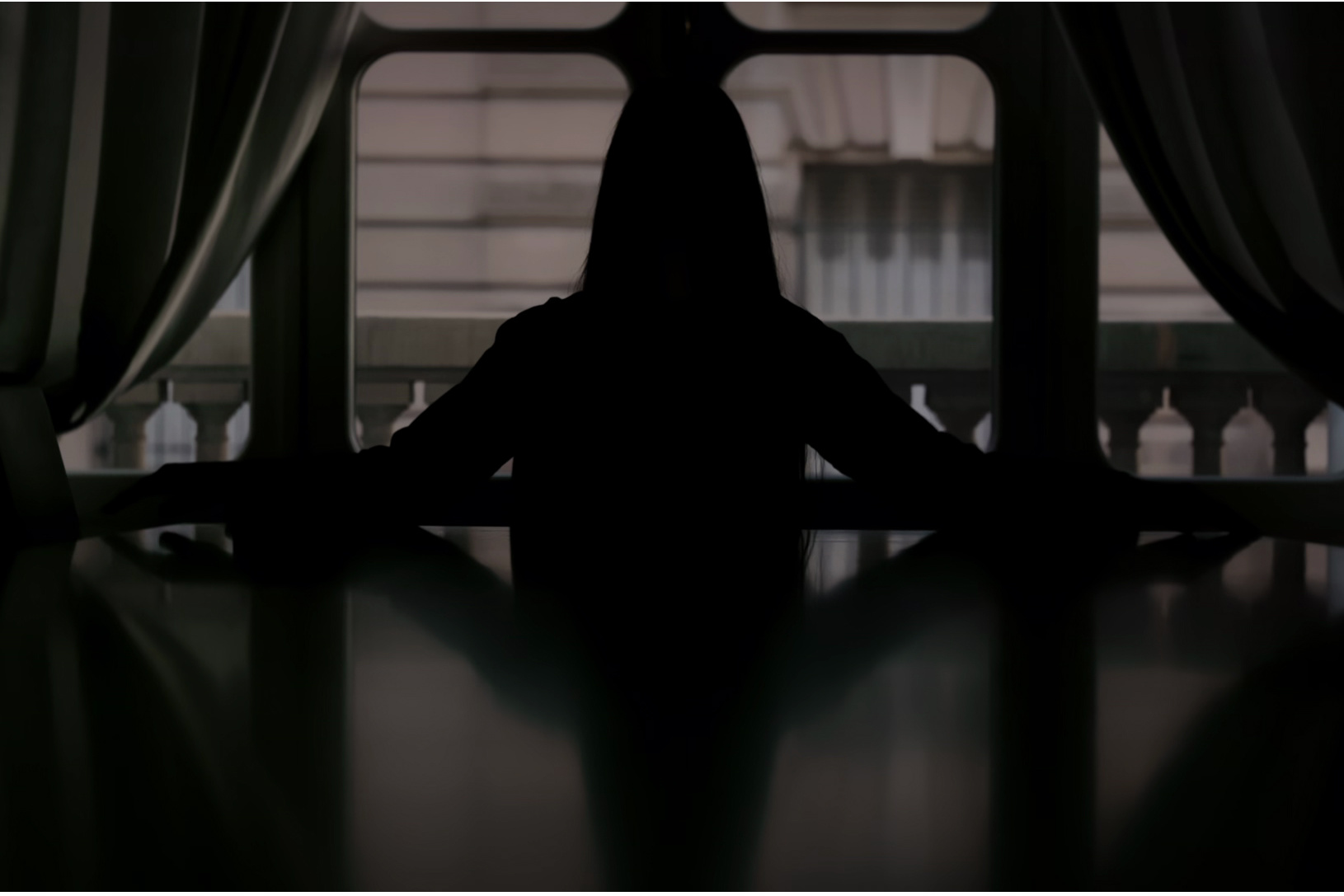
The project follows the historical remains of Henriette Poincaré’s life through archives, architecture and spaces of diplomacy and power, using embodied encounters to make an overlooked female presence perceptible again.


Mely Joseph’s pictorial world becomes the starting point for an encounter that moves from the uncovering and cleaning of her gravestone in Pforzheim to later performances and choreographies shaped by the emotions, gestures and insights that surfaced along the way.

Following Traces of Life / How to Kill (Hunt), the foreboding figure of Diana gives way to a lamenting war widow. Through a mourning ritual, the transformation moves from embodied performance into a staged video installation.

Emerging from the aftermath of Veronika Dräxler’s solo exhibition Medea, the work grew out of an experience of male violence within the gallery context and developed into an investigation of violence, power and the possibility of transformation.

The first chapter of Traces of Life / How to Kill carries Dräxler’s investigation of camouflage into the Arctic landscape. Through the hunt, the work unsettles the distinction between hunter and hunted, asking who truly falls when one body kills another, and how the violence exercised over animals echoes back into human systems of power.

A catalog-magazine published on the occasion of the artists third solo show. It documents and summarises an exploration of the transgressions of culture and nature, hunting and the military, and the dynamics of violence within the design of cultural landscapes.

A dialogue with the dead becomes the starting point for an embodied encounter with history. Through a séance with Joseph Beuys, inherited objects and materials gathered around the Berlin Wall, Dräxler enters and transforms his artistic vocabulary through the figure of Medea, ritual and her own body.

Natural remains, ritual objects and digital images form a space in which mysticism, technology and embodied practice intersect. Drawing on European and Latin American references, the work explores how ritual can transform the relationship between bodies, objects and the environments they inhabit.

A catalogue magazine published on the occasion of the artist’s first solo exhibition at Galerie GEDOKmuc in Munich in 2019. It explores mysticism, embodiment, ritual and syncretism, while reflecting on technological dependence, cognitive extraction and social media as a digital archive of performed identity and memory.

Macro photographs document the improvised repair patches of Berlin underground seats covered in Herbert Lindinger’s Urban Jungle pattern, turning these accidental urban camouflages into a visual language of damage, concealment and repair that continues to evolve through public intervention and vandalism on photographic prints.


